
Remember when cars felt simpler? Before all the complex electronics and liquid cooling systems took over, there was a time when engines cooled themselves with nothing but air. This article dives into the world of air-cooled engines, exploring why they captured the hearts of car lovers and how that old-school spirit still pops up in new car designs today. We’ll look at the early days, the icons, the shift to water, and why people still get excited about these unique power plants. It’s a journey through automotive history and design.
Key Takeaways
- Early cars relied on air cooling because it was simple and effective for the technology of the time.
- Iconic cars like the VW Beetle and Porsche 911 cemented the air-cooled engine’s legacy in automotive history.
- The industry moved to liquid cooling for better temperature control and performance, but some enthusiasts felt a connection was lost.
- Enthusiasts are drawn to air-cooled engines for their mechanical simplicity, unique sound, and raw driving feel.
- Elements inspired by air-cooled design, like simplicity and unique aesthetics, are reappearing in modern custom car builds.
The Dawn of the Automobile: Simplicity and Air Cooling
Early Innovations and the Rise of the Internal Combustion Engine
Back when cars were just starting out, things were a lot simpler. The whole idea of a self-propelled vehicle was still pretty new, and engineers were figuring out all sorts of ways to make them work. One of the biggest hurdles was figuring out how to keep the engine from overheating. These early engines were basically just metal boxes getting really, really hot.
Why Air Cooling Was the Go-To Method
So, how did they solve the heat problem? For a lot of the early cars, the answer was air cooling. It’s a pretty straightforward idea, really. You just let the air flow over the engine parts, like the cylinders and the engine block, and that carries the heat away. Think of it like a fan blowing on you when you’re hot. It’s a basic but effective way to keep things from getting too out of hand.
This approach fit right into the early automotive design philosophy which favored simplicity and ease of maintenance. No need for complicated radiators, hoses, or coolant – just metal and air. It made the engines lighter and less prone to leaks, which was a big deal when you were dealing with less-than-perfect roads and mechanics who might not have had access to specialized parts.
- Simpler Construction: Fewer parts meant less to go wrong.
- Lighter Weight: No radiator or coolant saved pounds.
- Easier Maintenance: No coolant to check or replace.
- Robustness: Less susceptible to freezing or boiling.
The early days of car manufacturing were all about making things work, and air cooling was a smart, practical solution for the challenges of the time. It was a direct answer to a very hot problem.
Of course, it wasn’t perfect. Air-cooled engines could get pretty noisy, and keeping them at the right temperature, especially in really hot weather or when stuck in traffic, was always a bit of a balancing act. But for what they were trying to achieve back then, it was a solid choice.
The Golden Age of Air-Cooled Icons
The Volkswagen Beetle: A Global Phenomenon
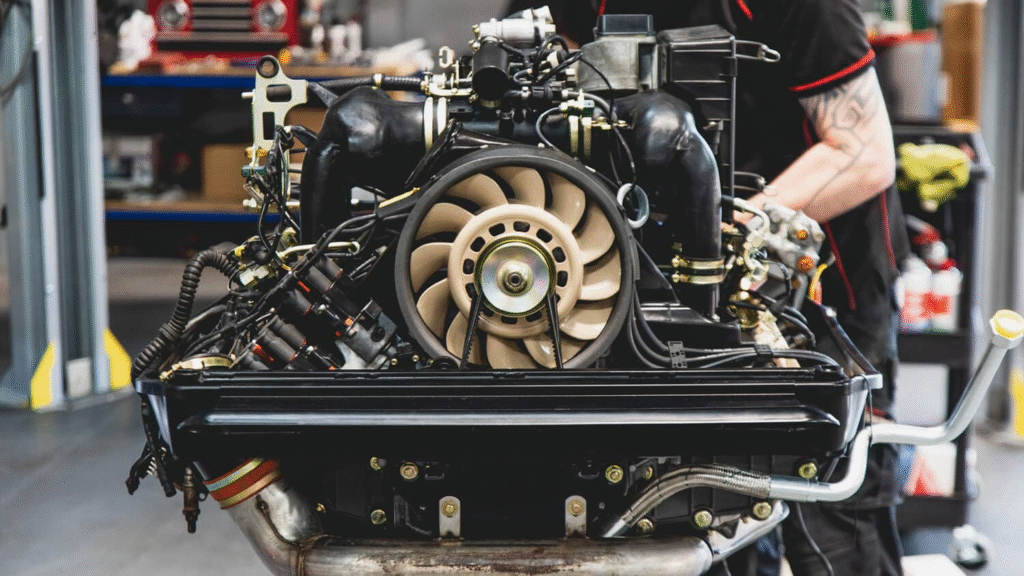
Ah, the Beetle. It’s hard to talk about air-cooled engines without this little car popping into everyone’s head. It wasn’t just a car; it was a cultural icon. Its simple, robust design, powered by that distinctive rear-mounted, air-cooled flat-four, made it incredibly reliable and easy to fix, even for someone who, like me, struggles with basic bike maintenance. Millions of these were made, and they went everywhere. The engine itself was a marvel of packaging, with cooling fins designed to grab as much air as possible as the car moved. It’s a prime example of how effective air cooling could be when done right.
Porsche’s Performance Legacy: From 356 to 911
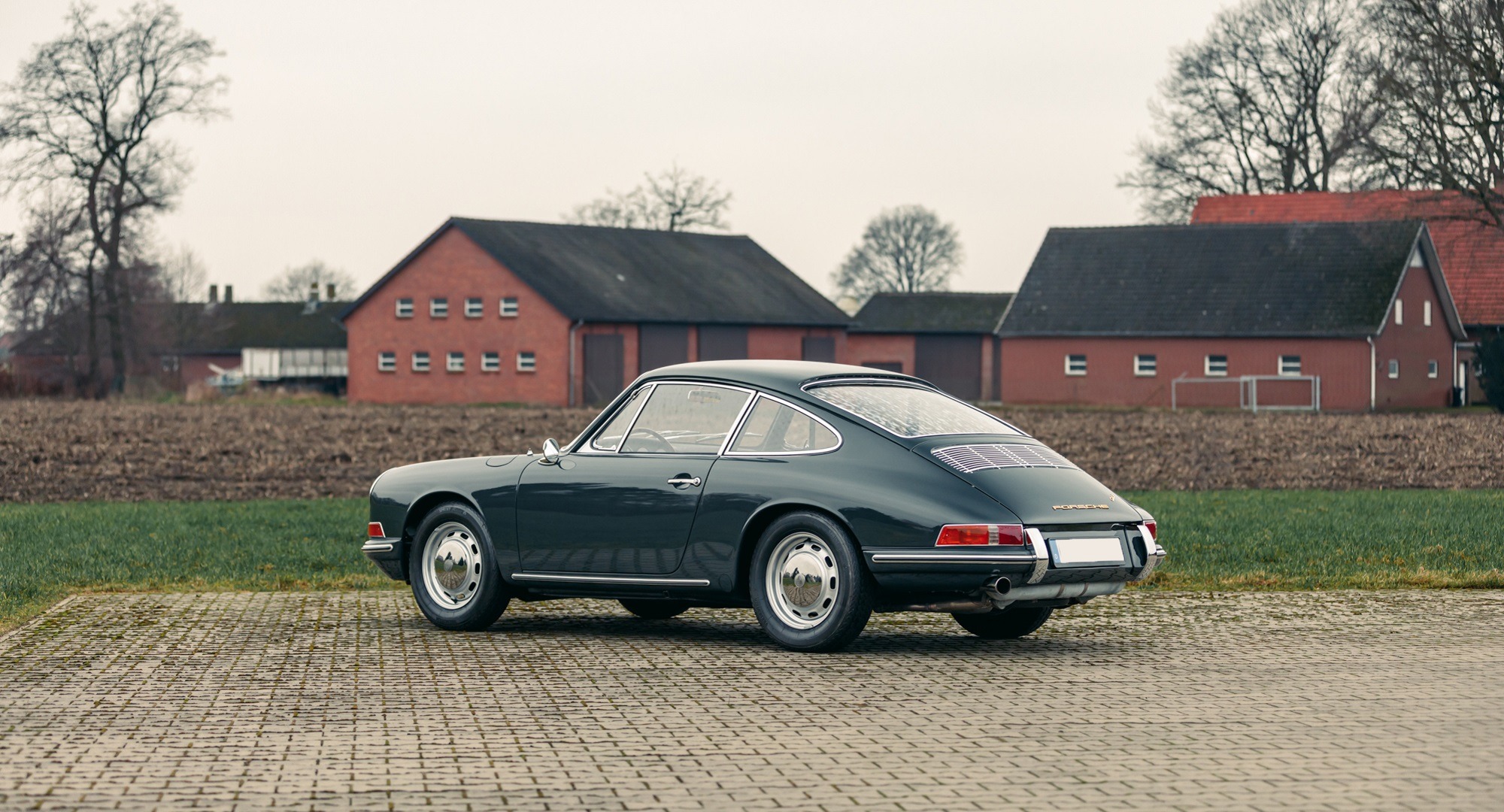
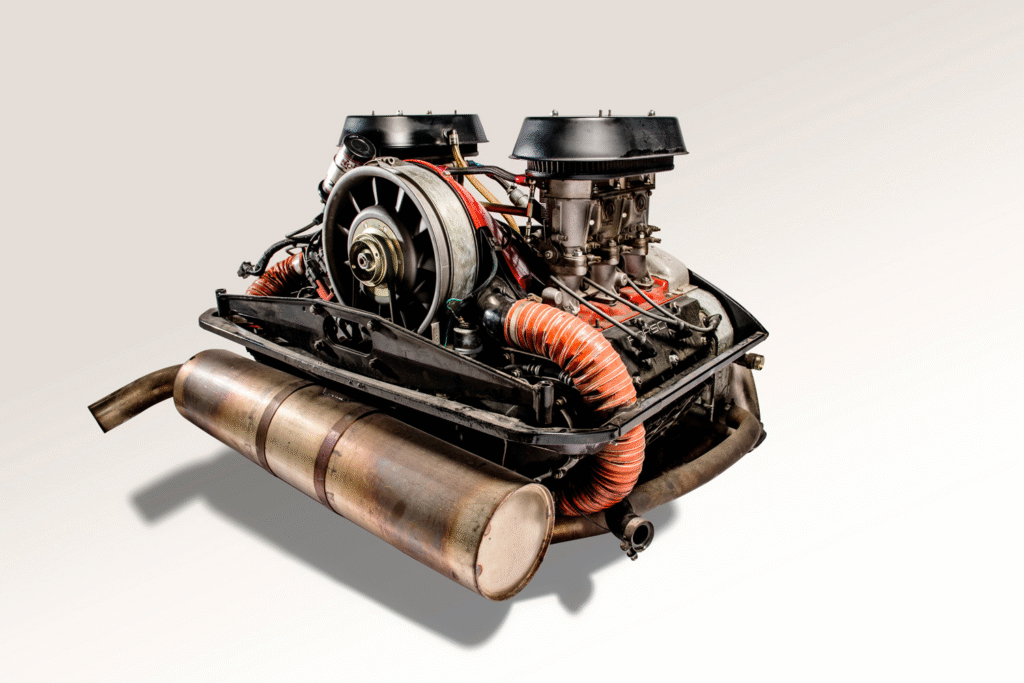
When you think of performance and air-cooled engines, Porsche is probably the first name that comes to mind for many enthusiasts. The Porsche air-cooled culture is a huge part of why car enthusiasts obsess over these engines. It all started with the 356, which used a modified VW engine. But it was the Porsche 911 heritage that really cemented the air-cooled flat-six in automotive history. That engine, with its unique sound and character, powered generations of 911s. It’s a complex piece of engineering, but the way it breathes and performs is something special. Even today, people are building new cars with air-cooled engines, like Ruf’s Tribute, which takes that classic flat-six and updates it with modern tech. It shows that the spirit of that engine is still alive and kicking.
Other Notable Air-Cooled Machines
While the Beetle and Porsche get a lot of the spotlight, other manufacturers also experimented with air-cooled engines. Honda, for instance, developed air-cooled engines for their cars, like the N360 and the H1300. They faced challenges, especially with noise and heat management, but the drive to innovate was strong. It’s fascinating to see how different companies tackled the same problem.
- Simplicity: Fewer parts mean less to go wrong.
- Weight: Often lighter than comparable liquid-cooled systems.
- Durability: No coolant means no leaks or freezing issues.
The quest for the perfect air-cooled engine was a journey of constant refinement. Engineers worked to make them quieter, more efficient, and more powerful, pushing the boundaries of what was thought possible with this cooling method. It wasn’t just about making an engine; it was about creating a characterful powerplant that defined a generation of cars.
The Shift to Liquid Cooling: Advantages and Disadvantages
Why the Industry Moved On
So, why did most car manufacturers eventually ditch air-cooled engines for liquid cooling? It wasn’t a sudden decision, but a gradual evolution driven by a few key factors. While air cooling was simple and reliable, it had its limits, especially as engines got more powerful and emissions regulations tightened. Liquid cooling offered a more consistent and controllable way to manage engine temperatures.
Here’s a breakdown of why the industry made the switch:
- Better Temperature Control: Liquid cooling systems, using a mixture of antifreeze and water, circulate coolant through passages in the engine block and head. This allows for much more uniform cooling, preventing hot spots that could lead to premature wear or failure. Air-cooled engines rely on airflow, which can be inconsistent, especially at low speeds or in traffic.
- Quieter Operation: Air-cooled engines often have a distinctive, sometimes loud, mechanical sound due to the cooling fins and the fan. Liquid cooling systems, with their enclosed nature and the insulating properties of the coolant, generally result in a much quieter and smoother running engine. This was a big deal for passenger comfort and meeting noise regulations.
- Higher Power Output Potential: The precise temperature control offered by liquid cooling allows engineers to push engines harder. They can design for tighter tolerances and higher compression ratios, leading to more power and better efficiency without the same risk of overheating that plagued high-performance air-cooled designs.
- Easier Emissions Control: Managing exhaust emissions became increasingly important. Liquid cooling provided a more stable operating temperature, which is vital for catalytic converters and other emissions control systems to function effectively.
What Was Lost in the Transition?
It’s not all one-sided, though. When the automotive world embraced liquid cooling, some of the charm and simplicity of air-cooled engines went with it. For enthusiasts, this often translates to a few key losses:
- Mechanical Simplicity: Air-cooled engines have fewer parts. No radiators, water pumps, hoses, or coolant to worry about. This meant simpler maintenance and fewer potential points of failure. For many, the mechanical purity of an air-cooled setup is a big part of its appeal.
- Distinctive Sound and Feel: The unique rumble and mechanical symphony of an air-cooled engine is something many enthusiasts miss. It’s a raw, visceral connection to the machine that liquid cooling, with its smoother operation, can sometimes mute.
- Weight and Complexity: Adding a radiator, fan, pump, and all the associated plumbing adds weight and complexity to the vehicle. While modern liquid-cooled systems are incredibly reliable, they are inherently more intricate than their air-cooled predecessors.
The shift to liquid cooling was a pragmatic move by manufacturers to meet the demands of performance, refinement, and environmental regulations. It allowed for engines that were more powerful, quieter, and cleaner. However, this progress came at the cost of some of the raw, mechanical character that made early air-cooled designs so special to a dedicated group of car lovers. It’s a trade-off that still sparks debate today.
While the mainstream moved on, the legacy of air cooling continues to be celebrated, especially in performance vehicles where its unique characteristics are still highly prized. You can see this in modern interpretations of classic designs, proving that the spirit of air cooling is far from dead. For those seeking the ultimate in engine durability, the choice between air and liquid cooling often comes down to intended use and personal preference.
The Enduring Appeal: Why Enthusiasts Still Obsess
It’s funny how some things just stick with you, right? For a lot of car folks, air-cooled engines are one of those things. It’s not just about nostalgia, though that’s definitely a big part of it. There’s a certain rawness to them, a direct connection between your right foot and the road that’s hard to find in modern cars. You can hear everything, feel everything – the engine’s heartbeat is right there with you.
Think about it:
- Simplicity: Fewer parts mean less to go wrong, and often, easier fixes. You don’t need a supercomputer to figure out what’s happening.
- Sound and Feel: That unique engine note, the vibrations – it’s a whole sensory experience that liquid-cooled engines just can’t replicate.
- Mechanical Purity: There’s an honesty to them. You’re dealing with metal, air, and fire in a very straightforward way.
This directness is what keeps people hooked. It’s like the difference between a perfectly crafted analog watch and a smartwatch. Both tell time, but one has a soul you can feel.
For many, these cars represent a time when automotive engineering felt more tangible, more accessible. It’s about appreciating the cleverness of design that prioritized function and a unique character over the pursuit of absolute efficiency or silence. It’s a connection to a past era of motoring that still feels alive and kicking.
And yeah, the value thing is real too. Some of these older air-cooled models are appreciating like crazy, but for most enthusiasts, it’s less about the money and more about the experience. It’s about keeping a piece of automotive history alive and actually driving it, not just letting it sit in a garage collecting dust. It’s about the joy of tinkering, the satisfaction of a well-tuned engine, and the sheer fun of being behind the wheel of something with genuine character.
The Spirit Lives On: Air-Cooled Design in Modern Creations
Even though most car manufacturers ditched air-cooled engines years ago, that special feeling hasn’t completely disappeared. You see it in a few places, mostly with people who really love those older cars. Take Ruf, for example. They’re still building incredible machines, like their Tribute car. It looks like a classic 911, but it’s packed with modern tech, and guess what? It’s got an air-cooled flat-six engine in the back, just like the old days. They’ve taken that classic design and made it even better with new materials and engineering. It’s a nod to the past, but it’s also about pushing the boundaries of what’s possible.
It’s not just about performance, though. There’s a whole aesthetic that comes with these engines. Think about the exposed fins, the distinctive fan shrouds, and the overall mechanical honesty. This spirit is showing up in other ways too. Some custom builders are taking classic chassis and giving them a modern twist, blending old-school looks with new capabilities. It’s about creating something unique that honors the past while being totally functional for today. This blend of mechanical simplicity and iconic design is why air-cooled engines are special and continue to inspire.
Here’s a look at how that inspiration plays out:
- Modern Interpretations: Builders are taking classic air-cooled platforms and modifying them for new uses, like off-road adventures, keeping the core engine character while updating the body and suspension.
- Material Innovation: Using modern materials like carbon fiber for cooling shrouds or engine components, improving efficiency and durability while maintaining the visual cues of air-cooled designs.
- Performance Tuning: Companies are still finding ways to extract impressive power from air-cooled engines, often using advanced tuning techniques and sometimes incorporating modern turbocharging, all while respecting the original engine’s architecture.
The appeal isn’t just about nostalgia; it’s about a connection to a more direct mechanical experience. It’s a reminder that sometimes, the simplest solutions are the most elegant and enduring.
The Enduring Spirit
So, what’s the big deal with these old-school engines? It’s more than just nostalgia, really. It’s about a certain kind of engineering that just feels honest, you know? Like you can actually see how it works. And that same idea, that focus on how things are built and how they feel, that’s what you see popping up in car design today. People are taking those old vibes and mixing them with new tech, making cars that look cool and are fun to drive, not just to sit in a garage. It’s a reminder that sometimes, the best ideas are the ones that have been around for a while, just waiting for someone to give them a fresh spin.
See some questions below and explore why air-cooled engines continue to fascinate car enthusiasts in our FAQ section below.
Frequently Asked Questions
What exactly is an air-cooled engine?
An air-cooled engine doesn’t use a liquid like water or antifreeze to keep itself from getting too hot. Instead, it uses fins on the outside of the engine and sometimes a fan to blow air directly over those fins, which cools it down. Think of it like a giant heat sink on your computer, but for a car engine!
Why did early cars use air cooling?
In the early days of cars, air cooling was simpler and lighter. There were fewer parts to worry about, like radiators, hoses, and water pumps. This made them easier to build and fix, which was really important when cars were still new and people were figuring things out.
What are some famous cars with air-cooled engines?
The most famous is probably the Volkswagen Beetle! Its simple, reliable air-cooled engine was a big reason for its success. Porsche also made a name for itself with air-cooled engines, especially in its iconic 911 sports cars for many years.
Why did most car companies switch to liquid cooling?
Liquid cooling, using water or antifreeze, is much better at controlling engine temperature, especially in hot weather or when the car is working hard. This allows engines to be built more powerfully and efficiently without overheating. It also made engines quieter and better for meeting pollution rules.
What’s special about air-cooled engines that makes enthusiasts love them?
Enthusiasts love the unique sound and feel of air-cooled engines. They often have a more raw, mechanical character. Plus, the simplicity means they can be easier to work on and understand. There’s also a strong connection to classic cars like the Beetle and early 911s.
Can you still find new cars or designs inspired by air-cooled engines today?
While most new cars use liquid cooling, some special projects and custom builds bring back the air-cooled spirit. Companies like Ruf have created modern takes on air-cooled Porsche engines. Also, the design philosophy of simplicity and mechanical honesty from the air-cooled era influences some modern custom car builds.
